
(EN) (TR) (ES)
A Mass as Culture vs. Revolutionary Mass
The term “mass,” implying a sense of unity and standardization within a group of people, was used negatively for the corrupting masses in 17th and 18th century England (Williams, 1976). However, following the popular revolutions in America and France, the meaning of “mass” evolved into a positive connotation as a social collective capable of enacting change. While some viewed this type of power as dangerous due to its base and passive qualities, socialists and reformers particularly regarded it as the foundation for radical social changes necessary to address the inequalities brought by capitalism in recent centuries.
Mass Production
Beginning in the early 18th century, the industrialization culture that started in England spread globally, intertwining cultures and commerce. Cities began to grow, populations increased astronomically, and the number of people working in factories led to crowded group movements (commuting times, etc.). Following mass production, which reached its peak after the World Wars, a period of abundance emerged where products ranging from cotton to legumes and home appliances to coffee became easily purchasable at lower prices. These masses turned into a collective that wore similar products and shared similar consumption habits. People gravitated toward mass actions and consumption. Thousands attended concerts, matches, or festivals, wearing and consuming copies of mass-produced goods. Moreover, this homogenization manifested itself in many areas, from schools to the military and prisons to local organizations (Kracauer, 1975). This is significant in illustrating how, starting from the 19th century, power (both in capitalist and state terms) exerted control over people’s bodies and minds, standardizing them according to its ideology (Foucault, 1979). Conversely, during the World Wars, culture was used as a propaganda tool by the Nazi and Soviet regimes to ideologically shape the masses under the guise of revolutionary purpose. Consequently, after the 1950s, the brainwashing of the masses through culture (particularly via radio, television, and written works) led to a negative perception, fear, and even disgust towards mass consumer products.
Niche Consumption
After the second half of the 20th century, particularly during the post-war abundance, stores began to differentiate between products that the masses could easily afford and luxury items, developing new marketing strategies. The modern production techniques and mass media of the 20th century played an active role in creating a new mass culture by popularizing written platforms like cinema, radio, and magazines. Around the same time, the advertising sector saw significant growth, particularly in America. Some products were distinguished from other ‘common’ mass products by their packaging, quality, brand, scent, design, and advertisements. In essence, there was an attempt to create a niche consumption culture, away from the manipulation of the masses.
Elite Culture and Popular Culture
This influence also manifested in cultural products. Intellectuals and members of the upper class increasingly embraced habits positioned against what is termed ‘high culture’—a type of mass-produced culture that has lost its meaning and become banal, cheap ‘popular culture,’ treating it as a status symbol.
Here, high culture encompassed values articulated by the German term Bildung, representing the culmination of Kantian aesthetics and educational processes. Activities such as listening to Mozart, reading Hobbes, or playing the piano in one’s free time exemplified this. Just as the etymology of the word (cultivate) suggests: developing something in its natural course, like an orchid seed being nurtured until it blossoms.
In contrast, popular culture, with its structure detached from aesthetic values, contained symbolic values of mere consumption, banality, and mass mediocrity, representing a realm to be avoided (Bleicher, 2006). In this regard, Adorno’s concept of the Culture Industry emphasizes how mass cultural products are designed like factory-produced items, leading to a degradation of meaning (Horkheimer and Adorno, 1972). Consequently, high culture must maintain a distance with its demanding, avant-garde, and creative standards against this type of popular culture.
American sociologists like Gans (1974) argue that the intellectual distance from ‘popular culture’ changes over time in proportion to socio-economic power (as evidenced by the diminishing caution among intellectuals from 1940-1960, which resurged post-1960 when status and power were regained). Bourdieu (1980) expands on this period (the disdain of high culture for popular culture), marking its start with Zola’s Dreyfus Affair and its end with Sartre’s death in 1980. Herbert Marcuse inherits this perspective in his book One-Dimensional Man (1964), highlighting how individuals are driven to consume things they do not need. Moreover, the critique centers on how people define their identities through their purchases, such as a phone, car, or kitchen robot, which Marcuse identifies as a core issue.
Popular Culture as an Active Culture
Despite these intellectual reservations, the gap between high culture and popular culture has begun to close in recent years. The connections between culture and social life have been reshaped by new production technologies, the proliferation of the internet, and segment-based marketing strategies. Thus, the masses have been transformed from passive consumers into active consumers aligned with various segments (Toffler, 1980; Ritzer and Jurgenson, 2010). As the importance of individuality increases, people are offered not only a life organized around their careers, education, and health but also one in which they can shape their own culture and values. Consequently, individuals can break free from the influences of structures like the state and capital (social class), acquiring a culture as they wish through the opportunities presented by the culture industry (Lowenthal, 1961). The Pop-Art movement of the 1960s (Andy Warhol, etc.), the emergence of Punk culture in the 1970s, and the post-modern movements of the 1980s that challenged intellectualism serve as examples of this period (Martin, 1981; Featherstone, 1995).
Flâneur Culture
Benjamin (1961) emphasized the dynamic nature of urban masses, implying how individuals could dynamically transform fixed cultural forms as a collective. He also highlighted that culture, typically tied to a specific object (like an original Van Gogh painting), could become symbols through new production technologies, thus shifting from objects to ideas and values (like hanging a copy of a Van Gogh painting at home). By doing so, he underscored the radical transformation of culture’s aura, wherein items have lost their original significance, and the values and symbols associated with those items became trading instruments (Benjamin, 1999).
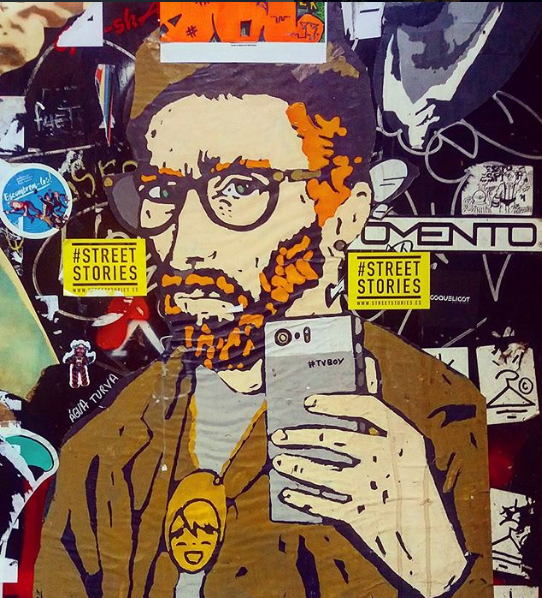
Now, not just a work of art, but even a bus ticket or an advertisement can carry a type of ‘art’ value due to the personal meanings, aesthetic allegories, designs, or ideologies they embody—what Benjamin calls ‘reconstructed aura.’ This is a world where the artwork is separated from its producer, acquiring new meaning between individuals and objects. Interestingly, Benjamin’s flâneur can be seen as a model of a consumer wandering the streets of a globalized society, attempting to capture these values and symbols—a post-modern consumer who produces meaning while consuming, thus being considered somewhat intellectual but, in older terms, common or average.

(EN) (TR) (ES)
Entel Kitle Kültürü
Bir Yığınsal olarak Kitle vs Devrimci Kitle
Kitle terimi, yani bir bütünlük ve standartlık ima eden insan topluluğu, 17 ve 18. yy Ingiltere’sinde yozlaşan yığınlar için olumsuz anlamda kullanıldı (Williams, 1976). Ne var ki, Amerika ve Fransa’daki halk devrimlerinden sonra kitlenin anlamı, etki gücü ile bir şeyleri değiştiren sosyal bir birliktelik olarak pozitif bir anlama evrildi. Bu tip bir gücü elinde barından kitle, bazıları tarafından içerdiği avam ve pasif niteliklerden dolayı tehlikeli bir güç olarak görülse de, özellikle sosyalist ve reformcular için böylesine bir güç, kapitalizmin son yüzyıllarda getirdiği eşitsizliği bertaraf edecek radikal sosyal değişimlerin temeli olarak algılandı.
Kitlesel Üretim
18. yy’ın başından itibaren İngiltere’de başlayıp dünyaya yayılan endüstrileşme kültürleri ve ticareti birbirine bağladı. Şehirler büyümeye başladı, nüfus astronomik oranlarda arttı, fabrikalarda çalışan insan sayısı kalabalık grup hareketleri (işe giriş çıkış saatleri vb) yarattı. Devamında yaşanan seri üretim ile başlayan ve Dünya Savaşları sonrası dönemde doruk noktasına ulaşan bolluk döneminde, pamuktan bakliyata, ev aletlerinden kahveye değin pek çok ürün, daha ucuza kolayca satın alınabilir hale geldi. Bu kitleler, benzer ürünler giyen, benzer tüketim alışkanlıkları olan bir yapıya dönüştü. İnsanlar, kitlesel eylemlere ve tüketimlere yöneldi. Binlerce insan konserlere, maçlara ya da festivallere gitmeye, milyonlarca üretilen bir ürünün kopyasını giymeye ve yemeye başladılar. Dahası, bu tek tipleşme, okullardan askeriyeye, hapishanelerden yerel örgütlere kadar, yeme-içme ve kıyafet gibi pek çok alanda kendini gösterdi (Kracauer, 1975). Bu, iktidarın (gerek kapital anlamda gerek devlet anlamında) 19. yy’dan başlayarak insanların beden ve ruhları üzerinde tahakkümlerde bulunup, onları ideolojisi doğrultusunda tek tipleştirmesini göstermesi açısından manidar (Foucault, 1979). Öte yandan, Dünya Savaşları dönemindeki Nazi ve Sovyet rejimlerinin bir propoganda aracı olarak kültür, kitlelerin sözde devrimci bir amaç ile ideolojik olarak şekillendirilmesinde kullanıldı. Böylece 1950’lerden sonra, kitlelerin kültür aracılığı ile beyinlerinin yıkanmasına dair bu dönemler (özellikle radyo, televizyon ve yazılı eserler aracılığı ile), kitlesel tüketim ürünlerine dair kötü bir his, bir korku ve hatta bir iğrenti oluşmasına neden oldu.
Niş Tüketim
20. yy’ın ikinci yarısından sonra ise, özellikle savaş sonrası bolluk döneminde, mağazalar kitlelerin rahatlıkla alabildiği ürünler ile lüks ürünler arasında bir ayrım çizip, yeni bir pazarlama stratejisi geliştirmeye başladılar. 20. yy’ın modern üretim teknikleri ve kitle iletişim araçları, sinema, radyo ve dergi gibi yazılı mecraları halk genelinde yaygınlaştırarak, yeni bir kitle kültürü oluşumunda aktif rol oynadı. Benzer yıllarda, Amerika’da daha yoğun olacak şekilde, reklamcılık sektörü büyük gelişme gösterdi. Bazı ürünler, ambalajı, kalitesi, markası, kokusu, dizaynı ve reklamlar ile diğer ‘avam‘ kitle ürünlerinden ayrılıyordu. Bir nevi, kitlelerin manipüle edilmişliğinden uzakta, bireye özgü niş bir tüketim kültürü yaratılmaya çabalanıyordu.
Elit Kültür ve Avam Kültür
Bu etki, kültürel ürünlerde de kendini gösterdi. Özellikle entellektüeller ve üst sınıftaki insanlar, ‘yüksek kültür‘ olarak adlandırılan, bir nevi seri üretilen ve anlamı bu yüzden yiten, banalleşen, ucuz ‘avam kültür’e zıt olarak konumlanan alışkanlara, bir nevi statü göstergesi olarak, daha da sarıldılar.
Buradaki yüksek kültür, Almanların Bildung terimi ile ifade ettikleri, Kantvari estetiğin ve eğitici süreçlerin son aşaması olan değerleri içeriyordu. Mozart dinlemek, Hobbes okumak, boş zamanlarında piyano çalmak gibi. Tıpkı kelimenin (cultivate) kökeninin ima ettiği gibi: Bir orkide tohumunun zamanla işlenip çiçeklenmesi gibi, bir şeyleri doğal akışında geliştirmek, geliştirmek.
Halbuki, avam kültür, estetik değerlerden kopan yapısıyla, sadece tüketim, banallık ve kitlesel sıradanlık içeren sembolik değerleri ile, uzak durulması gerekilen bir alandı (Bleicher 2006). Bu konuda, Adorno ve onun Kültür Endüstrisi yaklaşımı, kitlesel kültürel ürünlerin tıpkı fabrikada üretilen bir ürün gibi dizayn edilerek anlam yozlaşmasına gittiğini vurgular (Horkheimer and Adorno 1972). Haliyle yüksek kültür, zorlayıcı, avangart, yaratıcı standartları olan bir duruş ile bu tip bir avam kültüre karşı mesafeli durmak zorundadır.
Gans (1974) gibi Amerikalı sosyal bilimciler, entellektüel arasındaki ‘avam kültüre’ karşı bu tip bir uzak duruşun, sahip olunan sosyo ekonomik güç ile orantılı olacak şekilde zamanla değiştiğini iddia eder (öyle ki entellektüellerin statü ve güçlerini nazaran kaybettiği 1940-1960 yılları arasında bu temkinlilik azalırken, statü ve gücü geri kazanıldığı 1960 sonrasında bu tekrar ayyuka çıkar). Bourdiue (1980), bu dönemi (yüksek kültürün avam kültürü küçümsemesini) daha da genişleterek, Zola’nın Dreyfus davası ile başlatıp, Sartre’nin 1980’deki ölümü ile sona erdirir. Herbert Marcuse, One-Dimensional Man (1964) kitabında bu görüşü devralır ve kişilerin ihtiyacı olmayan şeyleri tüketmeye nasıl itildiğinin altını çizer. Dahası insanların kimliklerini (bu ihtiyacı olmadan) satın aldıkları şeyler üzerinden tanımlamaları, misal bir telefon, bir araba ya da bir mutfak robotu, Marcuse’un en temel eleştirisidir.
Aktif bir Kültür olarak Avamlık
Tüm bu entellektüel çekincelere rağmen, yüksek kültür ve avam kültür arasındaki bu uçurum son yıllarda kapanmaya başladı. Kültür ve sosyal yaşam arasındaki bağlar, yeni gelişen üretim teknolojileri, internetinin yaygınlaşması, segment bazlı pazarlama stratejileri ile yeniden şekillendirildi. Böylece, kitleler pasif birer alıcı olmaktan çıkarılıp, çeşitli segmentlere denk gelen tüketici olarak yeniden şekillendirildi (Toffler 1980; Ritzer ve Jurgenson 2010). Bireyselliğin önemi giderek artarken, kişinin sadece kendi kariyerini, eğitimini, sağlığını organize edeceği bir yaşam değil, aynı zamanda kendi kültür ve değerlerini şekillendirebileceği bir yaşam önerildi. Böylece kişi, devlet ve kapital (sosyal sınıf) gibi yapıların etkisinden kurtulup, kültür endüstrisinin ona sunduğu imkanlar ile dilediğince bir kültüre sahip olabilirdi (Lowenthal, 1961). 1960’ların Pop-Art (Andy Warhol vb), 1970’lerde parlayan Punk kültür, 1980’lerin bohem, yer altı kültürü ile entellektüelliğe karşı çıkan post-modern akımları bunlara örnek dönemler olarak verilebilir (Martin 1981, Featherstone, 1995).
Flanuer Kültürü
Benjamin (1961) şehirlerde yaşayan kitlelerin dinamik yapısını vurgularken, tam da bunu, yani bireylerin bir kitle olarak var olan sabit kültür formlarını dinamik bir şekilde nasıl değiştirebildiğini ima ediyordu. Ayrıca, alışık olduğumuz resim, plastik sanatlar gibi anlamını sadece o nesnede taşıyan kültürün (Van Gogh’un original bir resmi gibi), yeni üretim teknolojileri sayesinde birer sembole dönüşüp, bir nesne olarak değil, bir fikir ve değer olarak taşınabilir olduğunu vurguluyordu (Van Gogh resminin bir kopyasını eve asmak gibi). Böylece kültürün aurasının kökünden değiştiğini vurgularken, bunun artık nesnelerden öte, (ki artık onlar bir Van Gogh resminin kopyası gibi nesne olarak anlamını yitirmişlerdir), o nesnelere ait değerlerin ve sembollerin alışveriş aracı haline geldiğini vurgular (Benjamin 1999).
Sadece bir sanat ürünü değil, artık bir reklam afişi, bir otobüs bileti bile, taşıdığı kişisel anlamlar, estetik alegoriler, tasarım ya da ideolojisi sebebiyle bir tür ‘sanat’ değeri, Benjamin’in deyişiyle ‘yeniden oluşturulmuş bir aura’ taşır. Bu bir nevi, sanat eserinin üreticisinden koptuğu ve insan ve nesneler arasında yeni bir anlam kazandığı dünyadır. Bu konuda ilginçtir ki, Benjamin’in Flâneur’u, küreselleşmiş toplumda, şehrin sokaklarında avare bir halde dolaşıp, bu değer ve sembolleri yakalamaya çabalayan alıcı bir insan modeli gibidir. Post-modern toplumun anlamlar üretmek için tüketen, haliyle kendine göre entel ama eskilerin diliyle avam ya da vasat bir flâneur.
Kaynakça
Benjamin, W. (1999) The Arcades Project. Cambridge, Mass.: Harvard U.P.
Benjamin, W. (2010) ‘The Work of Art in the Age of Its Technological Reproducibility,’ Grey Room 39.
Bleicher, J. (2006) ‘Bildung,’ in special issue on Problematizing Global Knowledge (edited by M. Featherstone, C. Venn, R. Bishop and J. Phillips), Theory, Culture & Society 23(2-3).
Bourdieu, P. (1980) ‘Sartre, or the Invention of the Total Intellectual’, London Review of Books, 2 (22 [20 Nov-3rd Dec]).
Bourdieu, P. (1984) Distinction. London: Routledge.
Enzensberger, H.-M. (1974) ‘Constituents of a Theory of the Media,’ in The Consciousness Industry: On Literature, Politics and the Media. New York: Continuum Books/ Seabury Press.
Featherstone, M. (1995) Undoing Culture: Globalization, Postmodernism and Identity. London: Sage.
Featherstone, M. (2007) Consumer Culture and Postmodernism, 2nd Edition. London: Sage.
Foucault, M (1979) Discipline and Punish: the Birth of the Prison. Harmondsworth: Penguin.
Foucault, Michel (2004) Society Must be Defended .London: Penguin.
Gans, H (1974) Popular Culture and High Culture. New York: Basic Books.
Horkheimer, M. and Adorno, T. (1972) Dialectic of Enlightenment. New York: Herder and Herder.
Kracauer, S. (1975) ‘The Mass Ornament,’ New German Critique 5.
Lowenthal, L. (1961) Literature, Popular Culture and Society. Palo Alto, Ca: Pacific Books.
Macdonald, D. (1953) ‘A Theory of Mass Culture,’ Diogenes 1(3).
MacKenzie, D. (2008) Material Markets: How Economic Agents are Constructed. Oxford: Oxford University Press.
Mackenzie, A. and McNally, R. (forthcoming) ‘Methods of the Multiple: How Large-Scale Scientific Data-Mining Pursues Identity and Differences,’ Theory, Culture & Society.
Marcuse, H. (1964) One-Dimensional Man. London: Routledge.
Martin, B. (1981) A Sociology of Contemporary Cultural Change. Oxford: Basil Blackwell.
Mills, C. Wright (1956) The Power Elite. Oxford University Press, New York.
Riccio, B.C. (1993) ‘Popular Culture and High Culture: Dwight Macdonald and his Critics and the Idea of Cultural Hierarchy in Modern America,’ Journal of American Culture 16(4).
Ritzer, G. and Jurgenson, N. (2010) ‘Production, Consumption, Prosumption: The nature of capitalism in the age of the digital ‘prosumer,’ Journal of Consumer Culture 10(1).
Seigel, J. (1986) Bohemian Paris. New York: Viking.
Toffler, A. (1980) The Third Wave. New York: Bantam.
Williams, R. (1958) Culture and Society 1780–1950. Harmondsworth: Penguin.
Williams, R. (1961) The Long Revolution. Harmondsworth: Penguin.
Williams, R. (1976) Keywords. London: Fontana.
Willis, P. (1978) Profane Culture. London: Routledge & Kegan Paul.

(EN) (TR) (ES)
Cultura Masiva Cultivada
Una Masa como Cultura vs. Masa Revolucionaria
El término “masa”, que implica una sensación de unidad y estandarización dentro de un grupo de personas, se utilizó de manera negativa para referirse a las masas corruptas en la Inglaterra de los siglos XVII y XVIII (Williams, 1976). Sin embargo, tras las revoluciones populares en América y Francia, el significado de “masa” evolucionó a una connotación positiva como una colectividad social capaz de generar cambios. Mientras algunos veían este tipo de poder como peligroso por sus cualidades básicas y pasivas, los socialistas y reformadores, en particular, lo consideraban como la base para los cambios sociales radicales necesarios para abordar las desigualdades provocadas por el capitalismo en los últimos siglos.
Producción Masiva
Desde principios del siglo XVIII, la cultura de la industrialización que comenzó en Inglaterra se expandió globalmente, entrelazando culturas y comercio. Las ciudades comenzaron a crecer, las poblaciones aumentaron astronómicamente y el número de personas que trabajaban en fábricas dio lugar a movimientos grupales masivos (horarios de trabajo, etc.). Tras la producción en serie, que alcanzó su apogeo después de las Guerras Mundiales, surgió un período de abundancia en el que productos que iban desde el algodón hasta las legumbres y los electrodomésticos hasta el café se volvieron fácilmente adquiribles a precios más bajos. Estas masas se transformaron en un colectivo que vestía productos similares y compartía hábitos de consumo similares. Las personas se inclinaban hacia acciones y consumos masivos. Miles asistían a conciertos, partidos o festivales, usando y consumiendo copias de productos producidos en masa. Además, esta homogeneización se manifestó en muchas áreas, desde escuelas hasta el ejército y prisiones hasta organizaciones locales (Kracauer, 1975). Esto es significativo para ilustrar cómo, a partir del siglo XIX, el poder (tanto en términos capitalistas como estatales) ejerció control sobre los cuerpos y las mentes de las personas, estandarizándolos según su ideología (Foucault, 1979). Por otro lado, durante las Guerras Mundiales, la cultura fue utilizada como herramienta de propaganda por los regímenes nazis y soviéticos para moldear ideológicamente a las masas bajo el disfraz de un propósito revolucionario. Así, después de la década de 1950, el lavado de cerebro de las masas a través de la cultura (particularmente a través de la radio, la televisión y obras escritas) llevó a una percepción negativa, miedo e incluso disgusto hacia los productos de consumo masivo.
Consumo de Nicho
Después de la segunda mitad del siglo XX, especialmente durante la abundancia de la posguerra, las tiendas comenzaron a diferenciar entre productos que las masas podían permitirse fácilmente y artículos de lujo, desarrollando nuevas estrategias de marketing. Las modernas técnicas de producción y los medios de comunicación masivos del siglo XX jugaron un papel activo en la creación de una nueva cultura masiva al popularizar plataformas escritas como el cine, la radio y las revistas. Al mismo tiempo, el sector publicitario experimentó un crecimiento significativo, particularmente en América. Algunos productos se diferenciaron de otros productos masivos ‘comunes’ por su empaque, calidad, marca, aroma, diseño y publicidad. En esencia, hubo un intento de crear una cultura de consumo de nicho, alejada de la manipulación de las masas.
Cultura Elite y Cultura Popular
Esta influencia también se manifestó en los productos culturales. Intelectuales y miembros de la alta clase comenzaron a adoptar cada vez más hábitos posicionados contra lo que se denomina ‘alta cultura’, un tipo de cultura producida en masa que ha perdido su significado y se ha vuelto banal, una ‘cultura popular’ barata, tratándola como un símbolo de estatus.
Aquí, la alta cultura abarcó valores articulados por el término alemán Bildung, que representa la culminación de la estética kantiana y los procesos educativos. Actividades como escuchar a Mozart, leer a Hobbes o tocar el piano en el tiempo libre ejemplificaron esto. Así como la etimología de la palabra (cultivar) sugiere: desarrollar algo en su curso natural, como una semilla de orquídea que se nutre hasta que florece.
En contraste, la cultura popular, con su estructura desvinculada de los valores estéticos, contenía valores simbólicos de mero consumo, banalidad y mediocridad masiva, representando un ámbito que debía evitarse (Bleicher, 2006). En este sentido, el concepto de Industria Cultural de Adorno enfatiza cómo los productos culturales masivos están diseñados como artículos producidos en fábricas, lo que lleva a una degradación del significado (Horkheimer y Adorno, 1972). En consecuencia, la alta cultura debe mantener una distancia con sus estándares exigentes, vanguardistas y creativos frente a este tipo de cultura popular.
Sociólogos estadounidenses como Gans (1974) argumentan que la distancia intelectual de la ‘cultura popular’ cambia con el tiempo en proporción al poder socioeconómico (como lo demuestra la disminución de la cautela entre intelectuales de 1940 a 1960, que resurgió después de 1960 cuando se recuperó el estatus y el poder). Bourdieu (1980) expande este período (el desdén de la alta cultura por la cultura popular), marcando su inicio con el Caso Dreyfus de Zola y su fin con la muerte de Sartre en 1980. Herbert Marcuse hereda esta perspectiva en su libro El Hombre Unidimensional (1964), destacando cómo las personas son impulsadas a consumir cosas que no necesitan. Además, la crítica se centra en cómo las personas definen sus identidades a través de sus compras, como un teléfono, un coche o un robot de cocina, lo que Marcuse identifica como un problema central.
Cultura Popular como una Cultura Activa
A pesar de estas reservas intelectuales, la brecha entre la alta cultura y la cultura popular ha comenzado a cerrarse en años recientes. Las conexiones entre la cultura y la vida social han sido reformadas por nuevas tecnologías de producción, la proliferación de internet y estrategias de marketing basadas en segmentos. Así, las masas se han transformado de consumidores pasivos en consumidores activos alineados con varios segmentos (Toffler, 1980; Ritzer y Jurgenson, 2010). A medida que la importancia de la individualidad aumenta, a las personas se les ofrece no solo una vida organizada en torno a sus carreras, educación y salud, sino también una en la que pueden moldear su propia cultura y valores. En consecuencia, los individuos pueden liberarse de las influencias de estructuras como el estado y el capital (clase social), adquiriendo una cultura como deseen a través de las oportunidades presentadas por la industria cultural (Lowenthal, 1961). El movimiento Pop-Art de la década de 1960 (Andy Warhol, etc.), el surgimiento de la cultura Punk en los años 70 y los movimientos posmodernos de los años 80 que desafiaron al intelectualismo sirven como ejemplos de este período (Martin, 1981; Featherstone, 1995).
Cultura Flâneur
Benjamin (1961) enfatizó la naturaleza dinámica de las masas urbanas, implicando cómo los individuos podían transformar dinámicamente formas culturales fijas como colectivo. También destacó que la cultura, típicamente atada a un objeto específico (como un cuadro original de Van Gogh), podría convertirse en símbolos a través de nuevas tecnologías de producción, cambiando así de objetos a ideas y valores (como colgar una copia de un cuadro de Van Gogh en casa). Al hacerlo, subrayó la transformación radical del aura de la cultura, donde los objetos han perdido su significado original, y los valores y símbolos asociados con esos objetos se han convertido en instrumentos de intercambio (Benjamin, 1999).
Ahora, no solo una obra de arte, sino incluso un billete de autobús o un anuncio puede portar un tipo de valor ‘artístico’ debido a los significados personales, alegorías estéticas, diseños o ideologías que encarnan—lo que Benjamin llama ‘aura reconstruida’. Este es un mundo donde la obra de arte se separa de su productor, adquiriendo nuevo significado entre individuos y objetos. Curiosamente, el flâneur de Benjamin puede verse como un modelo de un consumidor que vaga por las calles de una sociedad globalizada, intentando capturar estos valores y símbolos—un consumidor posmoderno que produce significado mientras consume, considerándose así algo intelectual pero, en términos más antiguos, común o promedio
 Fatma Sibel Ağlamaz