
(EN) (TR) (ES)
says Jesuit (Jesus-loving) priests say, because it allows a person to turn inward and integrate with nature.
But these priests, who say one must know oneself first, gather in the halls of the University of Paris in the 1500s. The leader is a Spanish priest (Loyola), while the others are French and Italian.
The years of its establishment are a bit interesting. The year is 1527. Rome is being plundered by France. The Habsburg dynasty is provoking France. King Henry is in rebellion. At the same time, the Renaissance and Reformation movements are in the air. The atmosphere is chaotic. There are plenty of opportunities for new things to emerge, paradigm-shifting.
These priests protect the Pope as an intellectual shield by opposing the Reformation. Thus, this order is established and recognized one way or another. Scientists like Mendel, Bacon, and Copernicus are also part of this group.
They develop themselves as poor, chaste, education-focused, harmonious, and reasonable individuals, contributing significantly to the intellectual capital of the Catholic faith. They even take on a diligent and meticulous role in translating classics like Humanities into local languages. Their impact on the Renaissance can be considered substantial. For a long time, they are quite influential in shaping university culture in Europe and America. Universities like Georgetown and Fordham also have Jesuit roots.
Moreover, they aim to spread this research-oriented and humble way of life under the name of Christianity, even in the New World! For instance, Fidel Castro received education at a Jesuit school in Cuba. Scorsese depicts the activities of these priests in Latin America in the film “The Mission.” The current Argentine Pope is also a Jesuit.
Even in Turkey, the first missionary school was opened by our Jesuits: Saint Benoit High School in Karaköy in 1583.
In the 1770s, they conflict with the pope of the time, and while they open and close, the influence of the order on European culture gradually diminishes. However, because this order managed to organize itself a bit “mysteriously and underground,” it continues to infiltrate the opposing groups and undermine these “enemies” from within.
They develop themselves intellectually with such ambition and high communication skills that for a time, being called a Jesuit is interpreted as synonymous with “trickster.” The main character Adso in the film adaptation of Eco’s book “The Name of the Rose” is a Jesuit, too. Although the character is portrayed as sympathetic, open-minded, and intellectual, he is stigmatized by the status quo.
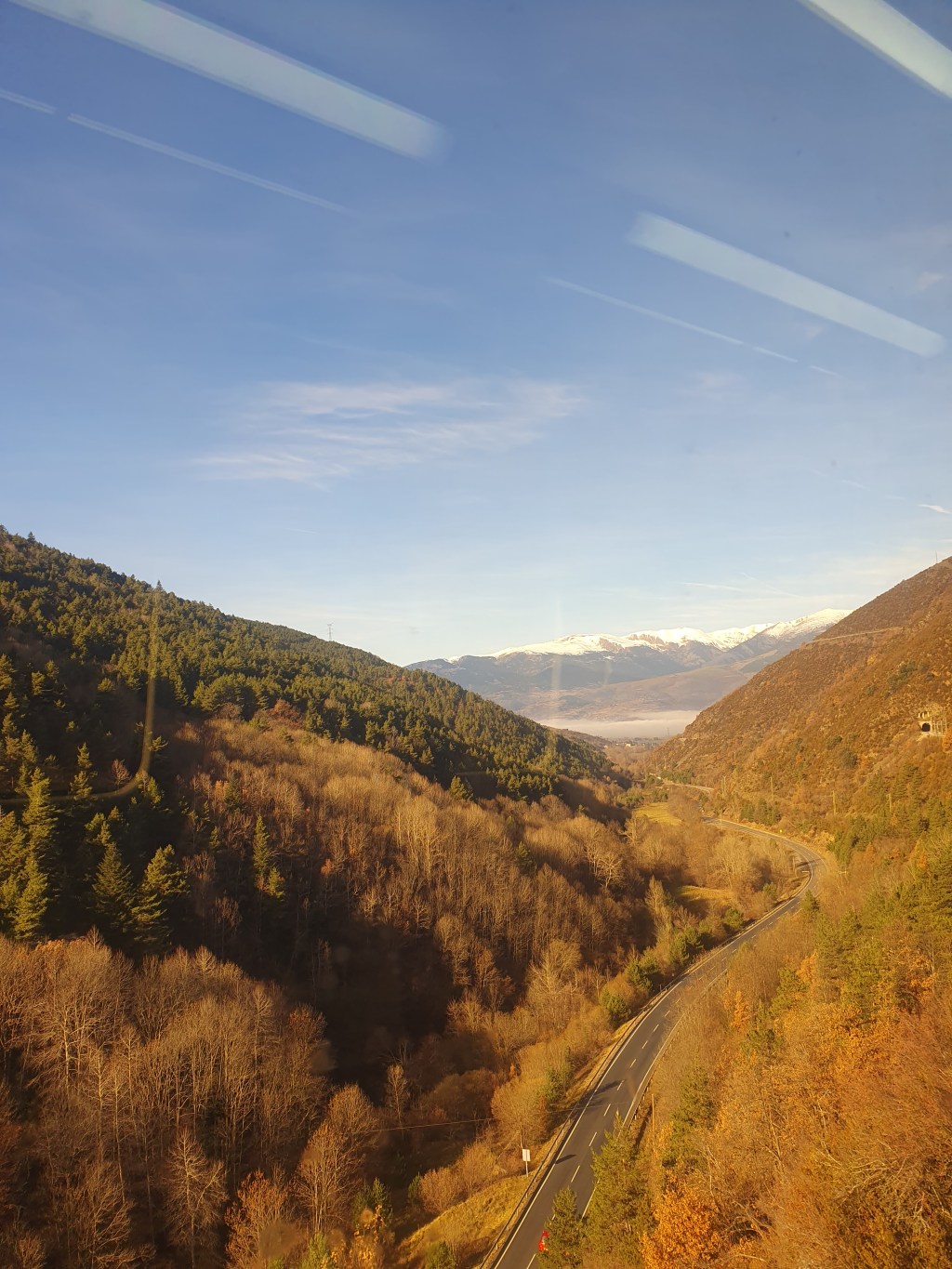
The authority at that time is the Benedictine monks, let’s say. I’m currently in Ripoll. I’m writing these lines next to a monastery where Benedictine monks from the 700s used to live: Santa Maria de Ripoll. This is known as the Monastery of the Virgin Mary. The Benedictines turned this place into one of the cultural centers of Medieval Europe. Its library is very rich. Its architecture is also peaceful.
The monastery that our Adso visits in “The Name of the Rose” comes to my mind. Everyone has a specific role in life, akin to ikigai. Some do cataloging, some translations, and others scientific research. Most writings and drawings are related to religion. Back then, knowledge was the greatest commodity, and naturally, it was hidden in the hands of these monks in monasteries. I imagine nerds, drawing pictures in Bibles, pondering morning and evening, in their stone rooms filled with the smell of wood, 1200 years ago while gazing at the monastery. The egotistical trips of the head priest and the “black collar” incidents and flattery of that century, the walls that restrict freedom. I feel tense. I come out of my reverie.
I ask a local what the difference is between the Benedictines and the Jesuits. The man explains the interconnectedness of monastic life with nature, the vows of silence, and how everything is overly planned and disciplined. He says that the Jesuits are like a type of Benedictine successor who renews the old monastic and religious relationship intellectually and organizationally, shaking it with the Reformation. A way of thinking that breaks away from the walls, reminiscent of the first apostles, dispersing, living, and seeing the detachment from splendor and status as salvation.
Thus, the Jesuits are like a reformed version of the closed monastic culture of Europe “the Benedictines,” to protect against a type of Reformation. More intellectual, striving to capture the spirit of the age, more itinerant (again, the spirit of the age). I think about breaking away from religion and moving to a small town, but these stone streets with their thousand-year history are still very mystical even in 2022.
If we had lived in the 10th century, would we have shaved our heads in the Tonsure style and become one of them, I wonder? Somewhere in those stone rooms, would we have translated Seneca’s Latin from Cordoba into Spanish in the dark corners of the library?
Or if we had been born in the 1600s? Would we have ventured down paths like Adso? Would we have whispered prayers to the cliffs while plunging into nature from the monastery, along the cliffs of Camino del Norte? Or as a woman, would we have been burned in the freezing cold dawns of this cold town at the foot of the Pyrenees?

(EN) (TR) (ES)
Yürümek ki ibadettir
diyor Cizvitli (Jesuit, İsa sever) rahipler. Çünkü insanın kendine dönmesini ve doğa ile bütünleşmesini sağlar.
Ama önce kendini bilmeli diyen bu rahipler, 1500’lerde Paris Üniversitesi odalarında toplanıyor. Ele başı İspanyol bir rahip (Loyola), kalanlar Fransız ve İtalyan.
Kurulduğu yıllar biraz ilginç. Yıl 1527. Roma, Fransa tarafından yağmalanıyor. Habsburg Hanedanlığı, Fransa’yı kışkırtıyor. Kral Henry asiliklerde. Bir yandan Rönesans ve Reform hareketleri var ortalıkta. Ortalık kaos. Yeni şeylerin, paradigma değiştircesine ortaya çıkması için fırsatlar çok.
Bizim bu rahipler de, Reform’a karşı gelerek, entelektüel bir kalkan olarak Papa’yı koruyorlar. Haliyle öyle ya da böyle kuruluyor ve tanınıyor bu tarikat. Mendel, Bacon, Kopernik gibi bilim insanları da bu ekipten.
Fakir, bakir, eğitime önem veren, uyumlu ve makul insanlar olarak kendilerini geliştirip, Katolik inancının entelektüel sermayesine epey katkıda bulunuyorlar. Hatta Humanities vb. gibi ‘klasiklerin’ yerel dillere çevrilmesinde çok çalışkan ve titiz bir şekilde görev alıyorlar. Rönesans üzerinde etkileri büyük denilebilir. Haliyle uzunca bir süre Avrupa ve Amerika’da üniversite kültürünün belirlenmesinde epey etkili oluyorlar. Şimdiki Georgetown ve Fordham gibi üniversiteler de cizvit kökenli.
Dahası bu araştırmacı ve mütevazı yaşamı, Hristiyanlık adı altında yaymayı amaçlardan da biri ediniyorlar. Yeni Dünya’da bile! Misal Fidel Castro Küba’da bir Cizvit okulunda eğitim görüyor. Scorsese ‘The Mission‘ filminde, bu rahiplerin Latin Amerika’daki faaliyetlerini sahneliyor. Şimdiki Arjantinli Papa da Cizvit.
Türkiye’de bile ilk misyoner okulunu bizim Cizvitler açıyor: 1583 yılında Karaköy’deki Saint Benoit Lisesi.
1773’lerde zamanın papası ile çatışıyorlar, sonra açıl-kapal derken tarikatın Avrupa kültürü üzerindeki etkisi yavaştan azalıyor. Ama bizim bu tarikat, biraz ‘gizemli ve yer altı’ olarak da örgütlenmeyi becerdiğinden, karşıt oldukları gruplara da sızıp, bu ‘düşmanları’ içten çökertmeye devam ediyorlar.
Entelektüel olarak o kadar iddialı ve hitap yetenekleri yüksek olarak kendilerini geliştiriyorlar ki, Cizvit demek bir süre ‘düzenbaz’ demek olarak algılanıyor. Eco’nun kitabının uyarlaması olan Gülün Adı filmindeki ana kahraman Adso da Cizvit misal. Sempatik, açık fikirli, entelektüel bir hava çizilse de karaktere, status quo tarafından mimlidir kahramanımız.
Otorite o zaman Benedikli rahipler diyelim. Ben de şimdi Ripoll’deyim. 700’lü yıllardan kalan Benedikli rahiplerin yaşadığı bir manastır yanında oturdum bu satırları yazıyorum: Santa Maria de Ripoll. Buranın Meryem Ana Manastırı diye geçiyor. Benedikli rahipler, burayı Ortaçağ Avrupa’sının kültür merkezlerinden birine çevirmiş. Kütüphanesi çok zenginmiş. Mimarisi de huzur dolu.
Gülün Adı romanında bizim Adso’nun gittiği manastır aklıma geliyor. Herkesin belirli bir görevi var hayatta. İkigai misali. Bazısı kataloglama yapıyor, kimisi çeviri, bazısı bilimsel araştırmalar. Çoğu din ile ilgili yazı ve çizimler. O zaman da bilgi en büyük meta, haliyle manastırlarda bu rahiplerin avuçlarında saklanıyorlar. Yani bundan 1200 yıl evvel, taştan odalarında odun kokusu içinde, İncil’lere resimler çizen, sabah akşam tefekkür eden nerdler hayal ediyorum manastıra bakarken. Sonraki baştaki papazın egosal tripleri, o yüzyıla ait ‘siyah yaka’ olayları ve yalakalıkları, özgürlüğü kısıtlayan dört duvarlar. Geriliyorum. Hayalden çıkıyorum.
Bu Benediklerin Cizvitlerden farkları ne diye soruyorum yerel birine. Manastır yaşamının doğa ile içiçeliğini, sessizlik yeminlerini, herşeyin aşırı planlı ve disiplinli olduğubu anlatıyor adam. Cizvitler, Reform ile sallanan eski tarz manastır ve din ilişkisini, entelektüel ve örgütsel şekilde yenileyen, bir tür Benedik ardılı gibi diyor. Duvarların içinden çıkan, ilk sahabeler misali yürümeye başlayan, dağıtan, yaşayan ve şatafat ve statüsten kopmayı kurtarış olarak gören bir düşünce biçimi.
Haliyle Cizvitler, Avrupa’nın kapalı manastır kültürü ‘Benediklerin’, bir tür Reform’dan korunmak için reform geçirmiş hali gibi. Daha entel, çağın ruhunu yakalamaya çabalayan, daha gezgin (yine çağın ruhu). Dinden çıkayım, az kasabaya geçeyim diyorum, ama 1000 yıllık tarihi ile tüm bu taş sokaklar 2022 yılında bile çok mistik.
10. yüzyılda yaşasaydık, saçlarını Tonsure tarzında kazıyıp onlardan biri mi olurduk diye düşünüyorum? O taş odaları içinde bir yerde, karanlık kütüphane köşelerinde Kordoba’lı Seneca’nın Latincesini İspanyolca’ya mı çevirirdik?
Ya da 1600’lerde doğsaydık? Adso gibi yollara mı düşerdik? Manastır’dan doğaya dalıp, Camino del Norte’nin uçurumlarında dualar mı fısıldardık kayalıklara? Ya da kadın olup, yakılır mıydık Pirene’lerin dibindeki bu soğuk kasabanın buz gibi kesen ayaz sabahlarında?

(EN) (TR) (ES)
Caminar es abrazar lo sagrado
Los sacerdotes jesuitas (amantes de Jesús) dicen, porque permite que una persona se vuelva hacia adentro e integre con la naturaleza.
Pero estos sacerdotes, que dicen que uno debe conocerse a sí mismo primero, se reúnen en las aulas de la Universidad de París en los años 1500. El líder es un sacerdote español (Loyola), mientras que los otros son franceses e italianos.
Los años de su establecimiento son un poco interesantes. El año es 1527. Roma está siendo saqueada por Francia. La dinastía Habsburgo está provocando a Francia. El rey Enrique está en rebelión. Al mismo tiempo, los movimientos del Renacimiento y la Reforma están en el aire. La atmósfera es caótica. Hay muchas oportunidades para que surjan cosas nuevas, que cambian el paradigma.
Estos sacerdotes protegen al Papa como un escudo intelectual al oponerse a la Reforma. Así, esta orden se establece y es reconocida de una manera u otra. Científicos como Mendel, Bacon y Copérnico también son parte de este grupo.
Se desarrollan a sí mismos como personas pobres, castas, enfocadas en la educación, armoniosas y razonables, contribuyendo significativamente al capital intelectual de la fe católica. Incluso asumen un papel diligente y meticuloso en la traducción de clásicos como Humanidades a idiomas locales. Su impacto en el Renacimiento puede considerarse sustancial. Durante mucho tiempo, son bastante influyentes en la configuración de la cultura universitaria en Europa y América. Universidades como Georgetown y Fordham también tienen raíces jesuitas.
Además, tienen como objetivo difundir esta forma de vida investigadora y humilde bajo el nombre del cristianismo, ¡incluso en el Nuevo Mundo! Por ejemplo, Fidel Castro recibió educación en una escuela jesuita en Cuba. Scorsese retrata las actividades de estos sacerdotes en América Latina en la película “La Misión.” El actual Papa argentino también es jesuita.
Incluso en Turquía, la primera escuela misionera fue abierta por nuestros jesuitas: el Colegio Saint Benoit en Karaköy en 1583.
En los años 1770, entran en conflicto con el papa de la época, y mientras abren y cierran, la influencia de la orden en la cultura europea disminuye gradualmente. Sin embargo, porque esta orden logró organizarse un poco “misteriosamente y en la clandestinidad,” continúa infiltrándose en los grupos opuestos y socavando a estos “enemigos” desde dentro.
Desarrollan sus capacidades intelectuales con tanta ambición y habilidades de comunicación altas que durante un tiempo, ser llamado jesuita se interpreta como sinónimo de “tramposo.” El personaje principal Adso en la adaptación cinematográfica del libro de Eco “El nombre de la rosa” también es jesuita. Aunque el personaje es retratado como simpático, de mente abierta e intelectual, es estigmatizado por el status quo.
La autoridad en ese momento son los monjes benedictinos, digamos. Actualmente estoy en Ripoll. Estoy escribiendo estas líneas junto a un monasterio donde vivían monjes benedictinos desde los años 700: Santa María de Ripoll. Este es conocido como el Monasterio de la Virgen María. Los benedictinos convirtieron este lugar en uno de los centros culturales de la Europa medieval. Su biblioteca es muy rica. Su arquitectura también es pacífica.
El monasterio al que va nuestro Adso en “El nombre de la rosa” viene a mi mente. Todos tienen un papel específico en la vida, similar al ikigai. Algunos hacen catalogación, otros traducciones y otros investigaciones científicas. La mayoría de los escritos y dibujos están relacionados con la religión. En aquel entonces, el conocimiento era la mayor mercancía, y, naturalmente, estaba oculto en manos de estos monjes en los monasterios. Imagino a nerds, dibujando imágenes en Biblias, meditando mañana y tarde, en sus habitaciones de piedra llenas del olor a madera, hace 1200 años, mientras miro el monasterio. Los viajes egotistas del sacerdote principal y los incidentes y adulación de “cuello negro” de ese siglo, las paredes que restringen la libertad. Me siento tenso. Salgo de mi ensueño.
Le pregunto a un local cuál es la diferencia entre los benedictinos y los jesuitas. El hombre explica la interconexión de la vida monástica con la naturaleza, los votos de silencio y cómo todo está excesivamente planificado y disciplinado. Dice que los jesuitas son como un tipo de sucesor benedictino que renueva la antigua relación monástica y religiosa de manera intelectual y organizativa, sacudiéndola con la Reforma. Una forma de pensar que rompe con las paredes, reminiscentes de los primeros apóstoles, dispersándose, viviendo, y viendo la ruptura con la ostentación y el estatus como una salvación.
Así, los jesuitas son como una versión reformada de la cultura monástica cerrada de Europa, “los benedictinos,” para protegerse de una especie de Reforma. Más intelectuales, esforzándose por capturar el espíritu de la época, más itinerantes (de nuevo, el espíritu de la época). Pienso en alejarme de la religión y mudarme a un pequeño pueblo, pero estas calles de piedra con mil años de historia son todavía muy místicas, incluso en 2022.
Si hubiéramos vivido en el siglo X, ¿nos habríamos rapado la cabeza al estilo Tonsura y nos habríamos convertido en uno de ellos, me pregunto? ¿En algún lugar de esas habitaciones de piedra, habríamos traducido el latín de Séneca de Córdoba al español en los rincones oscuros de la biblioteca?
¿O si hubiéramos nacido en el 1600? ¿Nos habríamos aventurado por caminos como Adso? ¿Nos habríamos sumergido en la naturaleza desde el monasterio, susurrando oraciones a los acantilados a lo largo de los acantilados de Camino del Norte? ¿O como mujer, ¿nos habrían quemado en las heladas mañanas gélidas de este frío pueblo al pie de los Pirineos?
 Fatma Sibel Ağlamaz